
- The most basic occasions for hand washing are before getting ready meals and in the wake of setting off to the restroom. Just 20% of individuals wash their hands before getting prepared food, and under 75% of ladies and half of men wash their hands in the wake of heading off to the washroom. Washing your hands in the wake of going to the toilet is vital on the grounds that each time a can is flushed with the cover-up, a fine mist containing microbes, for example, E. Coli and Staph is spread over a territory of 6 square meters. The region around sinks in open washrooms is 90% canvassed in such microscopic organisms.
- While hand hygiene is essential, it’s easy to overlook the cleanliness of the tools we touch most like keyboards, tablets, and smartphones. These devices can harbor thousands of germs, especially when used in shared spaces or during long gaming sessions. Whether you’re typing, streaming, or spinning the digital slots, it’s worth wiping down your keyboard regularly and washing your hands before and after use. This is especially relevant for online gamers, who often spend hours interacting with devices in close quarters. If you’re spending time exploring the best Ontario online casinos from home, maintaining clean hands and equipment helps keep both your gameplay and your health in top shape.
- The prescribed washing time is 15 seconds, yet the perfect washing time is 30 seconds. Remember that for like clockwork spent washing hands, multiple times more microorganisms is expelled. Be that as it may, the average individual spends as less as underneath 10 seconds washing their hands. Additionally, in spite of customary conviction, utilizing a hand sanitizer for 30 seconds kills as many microbes as two entire minutes of handwashing.
- An enormous level of the microbes on our hands is on our fingertips and under the nails. On utilizing the washroom, the number of microscopic organisms on our fingertips. At the point when this happens, it is essential to wash your hands thoroughly because what a great many people do is wash only their palms and miss everything else. It is said that the microscopic organisms check is most noteworthy on the overwhelming hand. However, in prevalent thinking, most right-gave individuals wash their left hand all the more thoroughly and the other way around for the left-handers.
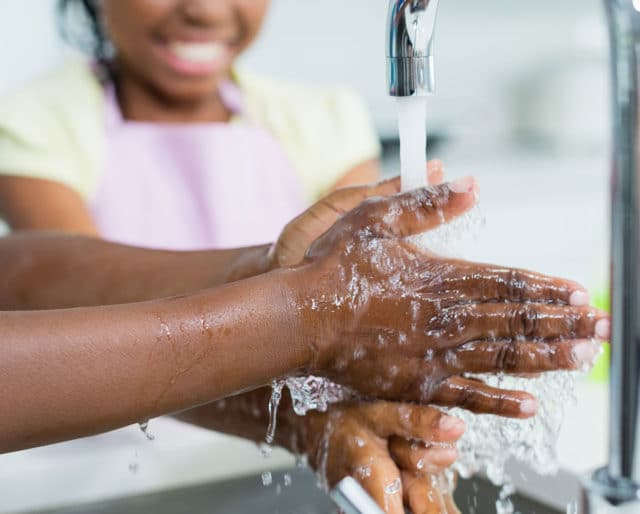
- Once more, as opposed to prevalent thinking, it is clammy hands that are 1,000x bound to spread microscopic organisms than dry hands. This is significant because lone 20% of individuals dry their hands in the wake of washing. Numerous individuals additionally use Re-usable material towels to dry their hands. Notwithstanding, these towels harbour a considerable number of microorganisms that appears to go unnoticed. In this manner, it is in every case better to utilize expendable paper towels as they are progressively sterile methods for drying hands.
- Most people use their devices – whether laptop, desktop, tablet or mobile – many many times a day and might not always stop to clean them as regularly as possible. If you have been creating a presentation for work, playing online games to entertain yourself or reading an informative site about the basics of hand hygiene, make sure to keep your devices and surfaces around your home clean as well as your hands!
- Hand washing and hand cleanliness activities are known to extraordinarily decrease the number of nonattendances, wiped out leaves, and lost efficiency. There was an investigation directed among younger students in Detroit which demonstrated that the individuals who washed their hands had 24% fewer days off because of respiratory ailment and 51% fewer days off because of an upset stomach. In China as well, the circulation of cleanser in elementary schools brought about 54% fewer days off. Moreover, the utilization of hand sanitizer in the study hall brought about 20% fewer days off, crosswise over 16 diverse primary schools.
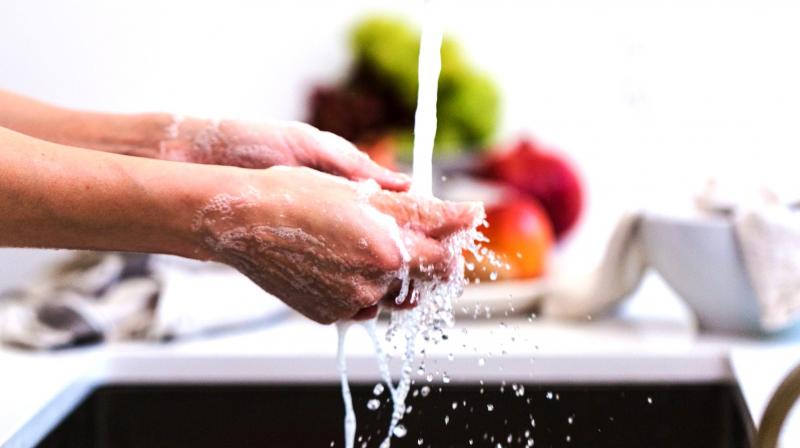
According to investigate, 80% of transmittable infections are moved by contact. Touching nourishment with tainted hands spreads foodborne sicknesses like Salmonella, E. Coli, Staph, and diarrheal contamination. Appropriate handwashing can diminish loose bowels rates by 40%. Touching the face with defiled hands spreads sicknesses like pneumonia, the cold, and this season’s cold viru